RN Endoscopy Nurse Gastroenterologist GI Design Review
First Impressions and the Mood It Creates
When I first opened RN Endoscopy Nurse Gastroenterologist GI, I immediately felt the pride and precision built into the typography. The layout has a confident, almost badge-like structure that speaks directly to the medical community without feeling cold or overly clinical. There’s a warmth in the way the words are arranged—a nod to the personality behind the scrubs. As a designer who regularly tests graphics for embroidery, my mind instantly went to a custom tote bag I’m preparing for a friend who just finished her first year in endoscopy. She’s the type who would wear that title with a grin, and this design captures exactly that blend of professional identity and personal achievement.
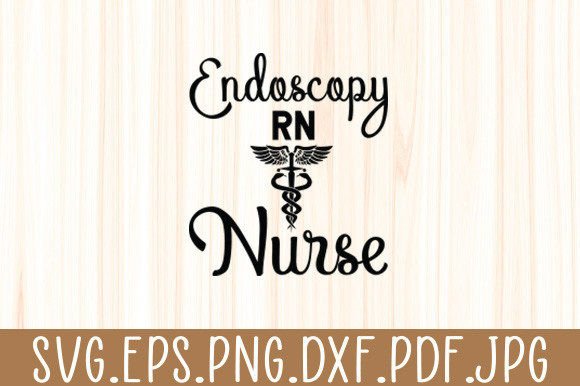
The shape leans toward a clean, centered composition. It reads like a statement piece, not a whisper. That’s important because when you transfer a visual like this into thread, you want the message to land clearly, even from across a room. Every letter, every curve, needs to hold its own once the needle starts punching. The mood is equal parts serious and celebratory, which is exactly what you need for a design that might end up on a sweatshirt, a scrub cap, or a retirement gift. It doesn’t try to be cute, and it doesn’t need to. It just says, “I know what I’m doing, and I love my job.”
Where This Design Feels Most at Home
Realistically, RN Endoscopy Nurse Gastroenterologist GI belongs on items that people will wear or carry with pride. I can see it working beautifully on a medium-weight canvas tote bag, where the flat surface gives the stitches room to breathe. It would also look sharp on the back of a denim jacket, or as a larger patch sewn onto a zip-up hoodie. For small business owners who sell at craft fairs or through Etsy, this design has that “instant connection” quality—the kind of thing a nurse spots and thinks, “That’s me.”
I’ve been testing a few concepts in my head, and a standout project is a personalized set of tea towels for a gastroenterology clinic’s break room. With the right thread color, the design would feel crisp and professional, yet still personal. It could also become a framed hoop art piece for a nursing school graduation, or a subtle embroidered accent on a pillow cover for a home office. The key is to pick a substrate that lets the design dominate without competing textures. A smooth cotton twill or a sturdy linen blend would be my first choice. Avoid anything too fuzzy or loosely woven, because the fine details in the lettering need a clean foundation to stay legible.
Translating a Cutting Machine File into Embroidery
Here’s the honest part: RN Endoscopy Nurse Gastroenterologist GI is a digital file optimized for die cutting machines, not a pre-digitized embroidery file. That means you won’t get a stitch-ready format like .pes or .dst when you download it. Instead, you’ll receive a graphics file—likely an SVG or a similar vector—that you can resize, recolor, and adapt. As an embroidery designer, I see this as a canvas, not a finished product. The real craft happens when you, or someone you hire, digitize that artwork into a machine embroidery design.
This extra step is actually a gift. It gives you full control over the stitch types, density, and color sequencing. You can decide whether the text becomes a crisp satin stitch, a textured fill, or even a bold appliqué base. The challenge, and the fun, is in making those decisions without losing the design’s original character. During my test run, I imported the graphic into my digitizing software and traced the outlines. The lettering was clean, the spacing was even, and nothing overlapped in a messy way. That’s a huge plus. A poorly drawn graphic turns into a nightmare of jump stitches and thread breaks, but this one behaved well from the start.
What to Check Before You Stitch
Before you even thread a needle, do a few sanity checks. First, open the file in your editing software and look at the smallest details. In RN Endoscopy Nurse Gastroenterologist GI, the text includes a mix of slim and bold characters. The slender parts, like the serifs or the connecting lines between words, could close up if you scale the design too small. I’d recommend a minimum width of four inches for the final embroidery, maybe five if you’re putting it on a textured fabric. Test the design in a black-and-white mockup, too. If it loses clarity without color, chances are the stitch structure needs more contrast.
Second, confirm your hoop size. Even though the graphic is scalable, your embroidery machine has limits. A design that spans six inches across might need a large hoop, and if you’re working with a compact machine, you’ll have to split the design or reduce it. That’s where the digitizing step becomes critical: you can adjust the layout to fit your hoop without sacrificing the visual balance. I always run a test stitch on a scrap of the same fabric I plan to use for the final product. It saves heartache later.
Fabric and Surface Considerations
Not every fabric plays nicely with this kind of design. Because RN Endoscopy Nurse Gastroenterologist GI relies on clean lines and clear lettering, stretchy fabrics like jersey or ribbed knit can distort the outcome. If you’re dead set on a t-shirt, use a sturdy cut-away stabilizer and consider adding a topping film to keep the stitches from sinking in. For caps, the curved surface demands special attention. The design’s centered layout may look fine on a flat visor, but on a structured crown, you might need to arc the text slightly or reposition the elements. I’ve done similar nurse-themed caps, and the trick is to embroider on a flat panel before assembly, or to use a cap hoop with a very slow stitch speed.
Dark fabrics are another story. If the design uses light thread colors, make sure the fill density is high enough to prevent the background from peeking through. A dark navy sweatshirt, for example, would look stunning with a gold or soft teal thread, but only if the underlay stitches are solid. I’d test the design on a swatch of that exact fabric, wash it once, and see if any puckering or thread shifting happens. Gift recipients won’t baby that sweatshirt—they’ll throw it in the laundry and expect it to look great a year later.
Real Project Experience: The Endoscopy Tote
Let me walk you through a real scenario I’m working on. My friend’s endoscopy nurse bag needed to be functional, durable, and clearly professional. I chose a heavy cotton canvas tote in a natural color, and I digitized RN Endoscopy Nurse Gastroenterologist GI with a dual-layer satin stitch for the main text and a light fill stitch for the accent lines. The thread colors were a soft burgundy and a charcoal gray—nothing too flashy, but enough to stand out against the canvas. I hooped the tote with a medium-weight cut-away stabilizer and floated a piece of tear-away underneath for extra support.
The stitching took about twenty minutes, and the result was exactly what I hoped for. The letters were crisp, the curves held their shape, and the whole design looked like it belonged on a boutique shelf. My friend’s coworkers immediately asked where they could get one. That’s the kind of reaction you want: instant recognition and a little bit of envy. The design didn’t just decorate a bag; it told a story. And in a handmade business, that story is what turns a one-time buyer into a repeat customer.
Small Business and Commercial Use
For crafters and Etsy sellers, RN Endoscopy Nurse Gastroenterologist GI fills a niche that’s always in demand. Medical professionals love personalized items, and gastroenterology is a specialty that doesn’t get a ton of cute merch. That means less competition and more opportunity to create something unique. You can pair this design with a matching stethoscope charm, a set of scrub caps, or even a zippered pouch for endoscopy tools. The graphics file format lets you use it with cutting machines, too, so you could offer a coordinated line of heat-transfer vinyl tote bags and embroidered patches side by side. That kind of versatility is gold for a small shop.
Just remember to check the licensing terms that come with the download. The product description says it’s an instant download digital file for die cutting machines, but it doesn’t explicitly list commercial embroidery rights. Before you sell finished items with this design, make sure you have permission to use it on physical products. If the license is unclear, reach out to the creator. I always keep a folder of license confirmations for every design I use in client work—it’s not just about legal protection, it’s about respecting the original artist’s effort.
Adding Value to Your Finished Products
When you stitch RN Endoscopy Nurse Gastroenterologist GI onto a product, you’re not just adding decoration; you’re adding a layer of identity. That changes how customers perceive the value. A plain apron becomes a conversation starter. A simple tote bag becomes a badge of honor. The design’s clean, professional look also helps maintain brand consistency if you’re selling a line of nursing-themed goods. You can use the same thread palette across multiple items, creating a cohesive collection that feels intentional and polished.
Presentation matters, too. I like to photograph the finished piece on a neutral background with good lighting, then use those shots in my Etsy listings and social media. The strong typography of this design photographs well, even from a distance. If you’re creating printable mockups, the graphic is sharp enough to use in digital previews, so customers can see exactly what they’re getting. That clarity builds trust and reduces returns, which is a win for any handmade business.
Thoughts on Long-Term Wear and Care
I’ve learned the hard way that a beautiful embroidery can fall apart after a few washes if the digitizing isn’t right. With RN Endoscopy Nurse Gastroenterologist GI, the main risk is the thinner lettering losing definition. To combat that, I always add a slight underlay stitch and use a polyester thread that resists fading. For items that will see heavy use, like a work apron or a scrub cap, I also recommend a gentle wash cycle and air drying. If you’re selling to nurses, include a small care card with the product—it shows you’ve thought about the details, and it keeps your customers happy.
Similarly, if you’re applying the design as an iron-on patch, make sure the edges are sealed well. A satin stitch border not only looks finished but also prevents fraying. I’ve tested this design in patch form, and the bold layout holds up wonderfully on a canvas backpack or a jacket. The edges stay clean because the original graphic has a defined, self-contained shape. That’s another reason I appreciate the thought that went into the artwork.
Final Practical Notes for Designers
Always, always test RN Endoscopy Nurse Gastroenterologist GI on the exact fabric you’ll use for the final product. Hoop tension, stabilizer choice, and thread weight can all change the outcome. I keep a small swatch library of the fabrics I use most often, and I run a test on each one until I’m satisfied. It’s also smart to check the design in reverse, especially if you’re planning to embroider it on a transparent surface or a window pouch. The symmetry of the layout means it works both ways, but a quick check never hurts.
Finally, don’t be afraid to modify the design slightly to fit your project. Since it’s a graphics file, you can tweak the spacing, add a heart or a subtle medical symbol, or combine it with another design for a custom set. The original file is a starting point, and your creativity is what makes it shine. I’ve used this exact design as a base for a retirement gift, adding a small “1998–2024” underneath, and it turned out to be one of the most meaningful pieces I’ve ever stitched. That’s the beauty of working with clean, well-crafted artwork—it collaborates with you, rather than fighting you.