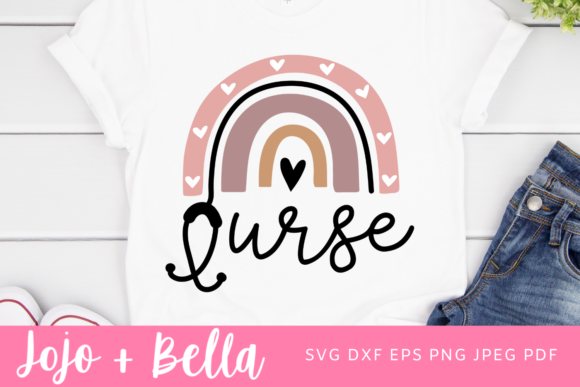
A Real-World Review of the Stethoscope Nurse Heart Design
When a digital design lands in your library, the first question isn’t just about the file format. It’s about how it will translate into thread and fabric. As a designer who reviews and uses these assets daily, my approach to the Stthoscope Nurse Heart Digital Cut File is grounded in that practical reality. Let’s walk through its potential from the perspective of someone preparing to stitch it for a client or for their shop shelf.
The Immediate Mood: Professional Warmth for a Personal Touch
The first impression of this design is clear: it balances a professional symbol with heartfelt sentiment. The stethoscope integrated with a heartbeat line and the word “Rn” creates an instant, recognizable identity. It doesn’t feel overly clinical or overly cute—it lands in a sweet spot of appreciation. This visual personality suggests it’s destined for personalized gifts and celebratory items rather than generic merchandise. In your mind, you can already see it stitched onto a soft sweatshirt or a sturdy tote bag meant for a nurse finishing a tough shift or a student graduating.
Where This Design Finds Its Natural Home
In real-life embroidery situations, this design’s strength lies in its versatility for crafted gifts and small business products. Imagine preparing a custom embroidered tote bag for a nurse’s week—the design is large enough to be a focal point but not so dense it would overwhelm the bag’s structure. On a baby item, like a blanket for a nurse mom, the softer elements like the heart could be rendered in pastel threads for a gentle nursery decor feel. As an embroidered patch, it would hold excellent recognition value, perfect for a cap or an apron in a medical-themed boutique or cafe. For holiday gifts, like a festive pillow cover for a healthcare worker, it adds that personal, non-generic touch that elevates a simple present.
It also fits seamlessly into commercial embroidery projects for small shops. An Etsy seller offering “Nurse Life” apparel could use this as a consistent branding element across sweatshirts and tees. The design’s clean lines make it suitable for creating printable mockups for digital product listings, showing potential buyers exactly how it would look as a finished, stitched product.
Practical Considerations: Where to Apply Caution
While versatile, every design has areas where careful application is key. For this Stethoscope Nurse Heart file, pay close attention to scale. On very small hoop sizes, the finer details—the heartbeat line and the small “Rn” lettering—could lose clarity if stitch density is too high. Working on textured fabrics, like some knit sweaters, might require a more robust stabilizer to keep the satin stitch borders of the stethoscope smooth. Similarly, on stretchy fabric, you’ll want to test the design’s integrity after movement and washing.
Dark fabric backgrounds are a classic challenge. The design likely relies on positive space, meaning you’ll need excellent thread color contrast—a bright white or a vibrant color against a black polo shirt, for example. On curved surfaces like caps, the longer, curved element of the stethoscope itself will need proper hooping to avoid distortion. Always inspect those detailed corners and tiny lettering in a test run on scrap fabric first. This isn’t a design with overly dense fill stitch areas, which is a benefit, but the decorative accents still demand precision.
How This Design Impacts Your Project’s Success
Using a design like this isn’t just about the stitch; it’s about the final product’s appeal and value. Its visual clarity and recognizable theme directly boost customer trust and engagement. A handmade presentation feels more thoughtful because the design is specific, not generic. For a craft business, it aids brand consistency if you’re curating a collection for healthcare professionals. The giftability is high—it feels made-for-them. This recognition factor translates into professionalism in your work, showing you’ve chosen a design with purpose. Ultimately, it helps turn a simple embroidered item into a product with a story, which is what buyers seek.
Notes from the Embroidery Desk
Before you commit this design to a final project, here are my grounded recommendations. Always test it on scrap fabric that mimics your final material. This lets you check thread color contrast and review the actual stitch density as your machine renders it. Confirm your intended hoop size can accommodate the design without compromising the smaller elements. Don’t just look at the digital preview; stitch it.
It’s also wise to test the design in simple black and white mockups to see how it reads without color influence. Compare how it might look on both light and dark fabric backgrounds in your planning stage. Use a proper stabilizer suited to your fabric—this is crucial for maintaining the design’s clean lines on apparel or items needing frequent washing. A critical step for any commercial use: check the provided license details for this digital embroidery file. The description mentions suitability for cutting vinyl and iron-on, but for machine embroidery, ensure your usage—whether for personal gifts or selling finished products—aligns with the creator’s terms. Never assume.
Finally, consider the design’s role in your overall craft business or project. Does it stand alone as a strong statement on a sweatshirt? Could it be combined with other elements for a more complex boutique product? Its nature as a Crafts and Graphics product means it’s a design asset waiting for your interpretation. Approach it with the confidence of a maker, but the diligence of a professional. The Stethoscope Nurse Heart Digital Cut File, when applied thoughtfully, can become a staple in your collection for meaningful, well-executed embroidery projects.