Be Nice I Might Be Your Nurse Someday
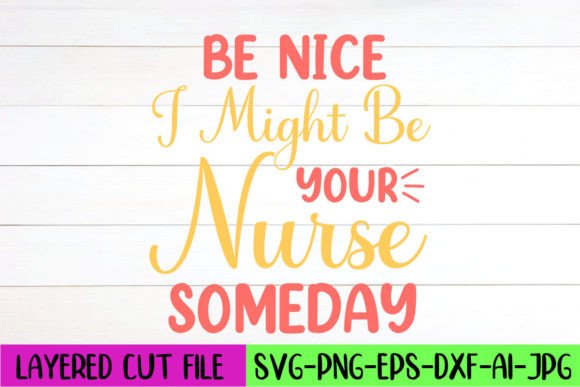
When I opened the bundle of 100 nurse‑themed SVG cut files, the phrase Be Nice I Might Be Your Nurse Someday immediately grabbed my attention. It’s not just a sentimental line—it’s a confident, slightly cheeky message that makes you smile and think twice. For anyone who stitches for healthcare workers, nursing students, or medical appreciation gifts, this design instantly sparks ideas. The first thing I pictured was a sturdy canvas tote bag, maybe in navy blue, with this phrase stitched in crisp white thread, a tiny red cross accent tucked near the lettering. That mental image alone told me the design has real project potential, not just as a file on a screen but as a finished product that people would actually carry, wear, and gift.
The Visual Personality of This Design
Right out of the folder, the layered SVG file reveals a clean, bold typographic layout. The lettering feels handwritten but structured—approachable enough for a cozy sweatshirt, yet polished enough for a professional embroidered patch. The phrase itself carries a gentle warning wrapped in kindness, which makes the design feel both personal and universally relatable. Because the file is layered, you can easily separate the main text from any decorative accents, which is a huge plus when you start planning thread colors or stitch types for real embroidery work.
The mood is warm and empowering, the kind of visual that makes a nurse or nursing student feel seen. That emotional pull is exactly what makes a handmade product sell. A customer scrolling through Etsy or browsing a craft fair table will pause at a design that speaks directly to their identity. Be Nice I Might Be Your Nurse Someday does that without shouting, and the design’s simplicity means it won’t get lost in a busy stitch‑out.
Where This Design Shines
I immediately thought of a custom apparel line: soft unisex sweatshirts, relaxed‑fit tees, and zip‑up hoodies. The phrase is short enough to fit comfortably on a chest pocket or sleeve, and the lettering’s personality comes through even at a moderate size. Beyond clothing, I pictured a set of linen tea towels for a nurse’s kitchen, a cheerful scrub cap panel, or a rectangular patch sewn onto a denim jacket. The design also works beautifully on tote bags, zipper pouches, and canvas aprons—products that stitch sellers often use for graduation gifts or Nurse Appreciation Week bundles.
One real‑life scenario I kept returning to was a personalized tote bag for a nursing student graduating next spring. I’d use a natural cotton tote, add a tight‑woven stabilizer, and stitch the phrase in a satin‑like fill with a subtle outline. The design’s layered nature means I could even cut the letters from heat‑transfer vinyl using the included SVG, press it onto the bag, and then add a few embroidered stars or a heartbeat line for texture. That kind of mixed‑media approach gives the final product a boutique feel while keeping production time manageable.
Projects That Need a Little Extra Thought
Not every surface will play nicely with this design. If you’re planning to stitch it onto a baby onesie or a thin, stretchy knit, be cautious. The lettering, while bold, may have thin connections or small interior loops that could distort if the fabric shifts. I’d test the design on a scrap of the same fabric first, using a cut‑away stabilizer to lock everything in place. Caps and curved hat fronts also require care—the phrase is horizontally oriented, so you’ll need to check the arc of the hat and adjust your hoop placement so the text doesn’t warp.
Dark fabrics like black or deep burgundy can hide the stitching if you don’t contrast the thread colors enough. I always test the design in a black‑and‑white mockup to see if the lettering stands alone, and then I swap thread shades on a sample swatch. Tiny details, if any floral or heart accents are tucked into the phrase, might close up if the stitch density is too high. A quick test run on a scrap of the same fabric you’ll use for the final piece will save you from picking out stitches later.
Digitizing the Design for Stitch‑Ready Results
It’s important to understand exactly what you’re getting with this product. The bundle includes 100 unique designs, and the file package contains six formats: SVG, PNG, EPS, AI, JPJ, and DXF. This is a graphic and cut file bundle, not a ready‑to‑load machine embroidery file. That means you won’t find a PES, DST, or EXP format. Instead, you’ll need to digitize the design yourself or use embroidery software to convert the artwork into a stitch‑ready file. For experienced embroiderers, this is a familiar workflow, and honestly, the layered SVG gives you a fantastic starting point for creating clean appliqué templates or multi‑color satin stitch paths.
When I digitize a typographic design like this, I first examine the lettering weights. If the original text has thin upstrokes and thicker downstrokes, I’ll plan a mix of satin stitches for the broader sections and a running stitch for the finer details. The layered file structure lets me isolate each part and assign a different stitch type, which is crucial for preserving the handwritten feel. I also pay close attention to the size of any decorative elements. Small dots or accents might merge if the design is stitched too small, so I always check the minimum recommended hoop size by running a test stitch on scrap fabric before committing to a final product.
Commercial Use and Business Considerations
If you’re selling finished items—like embroidered totes, patches, or framed hoop art—the licensing terms matter. The product description doesn’t explicitly spell out commercial allowances, so before you list a batch of sweatshirts on Etsy or stock your craft fair booth, confirm the license directly with the seller. Many graphic bundles allow personal and small‑business use, but you want to be certain, especially if you plan to sell the digitized embroidery file itself. The phrase “Be Nice I Might Be Your Nurse Someday” is a clever, original wording, but you still need to respect the artist’s rights.
From a brand consistency standpoint, this design pairs well with other nurse‑themed artwork in the bundle. You can create a cohesive product line—think coordinating tote bags, pillows, and framed prints—all featuring a unified visual voice. The phrase works as a standalone statement, but it also plays nicely alongside a cute caduceus, a heartbeat line, or a floral accent, giving you plenty of design flexibility for your shop.
Practical Stitching Notes for a Flawless Finish
Before you start that first stitch‑out, here’s what I’d do:
- Test on scrap fabric. Use the same weight and texture as your final project. This lets you spot any thread breaks, puckering, or registration issues.
- Check thread color contrast. Light thread on a light background can wash out. I always stitch a small sample and view it under natural light.
- Review stitch density. If the design feels too heavy, it can make the fabric stiff. Adjust the density in your digitizing software, especially for wearable items that need to stay soft.
- Confirm hoop size. The phrase should fit easily in a 4x4 or 5x7 hoop when digitized at a reasonable size, but if you add extra elements, measure carefully.
- Inspect small details. Look at every letter connection. If anything looks like it might close up, increase the pull compensation slightly.
- Use proper stabilizer. A medium‑weight cut‑away stabilizer is my go‑to for most fabrics, but for stretchy knits or towels, I’ll add a water‑soluble topper to keep the stitches from sinking.
- Test on light and dark backgrounds. The same thread color can look completely different, so run a quick test on both if you plan to offer multiple fabric options.
Why This Design Works for a Craft Business
In a crowded market, a design that combines wit, warmth, and a clear message stands out. Be Nice I Might Be Your Nurse Someday isn’t just a decoration; it’s a conversation starter. When a customer buys a tote with this phrase, they’re not just buying a bag—they’re sharing a little piece of their identity. That emotional connection builds trust and repeat sales. The design also photographs well for product listings, and the simple, high‑contrast lettering translates beautifully into a printable mockup, so you can showcase the finished look before you even stitch a single thread.
For a handmade shop owner, this design fits into multiple seasonal niches without feeling forced. It’s perfect for Nurse Appreciation Week, graduation, back‑to‑school, and holiday gifting. Tuck a small embroidered patch version into a greeting card, and you’ve got an instant, high‑margin gift. The bundle’s variety means you can also offer a set of coordinating items, which boosts average order value. I’ve seen nurse‑themed products perform exceptionally well at craft fairs, especially when the design feels personal and a little playful, just like this one.
Final Thoughts on the Cut File Bundle
While the core of this review focuses on the phrase Be Nice I Might Be Your Nurse Someday, the fact that it’s part of a 100‑design SVG bundle makes it a smart investment for anyone building a nurse‑ or medical‑themed product line. You get the layered file in six formats, so you can use it with Cricut, Silhouette, or Adobe Illustrator, and then translate it into your embroidery workflow. The design itself has a big heart and a clear, confident voice. It’s the kind of artwork that feels equally at home on a hospital breakroom mug press design or stitched onto a throw pillow for a nursing school graduate.
My advice: treat it as a creative starting point. Digitize thoughtfully, test on the exact fabric you’ll sell, and pay attention to the tiny details that make a handmade piece feel professional. When you get that stitch‑out perfect, you’ll have a product that connects with customers on a deeply personal level—and that’s the kind of design that builds a loyal following.