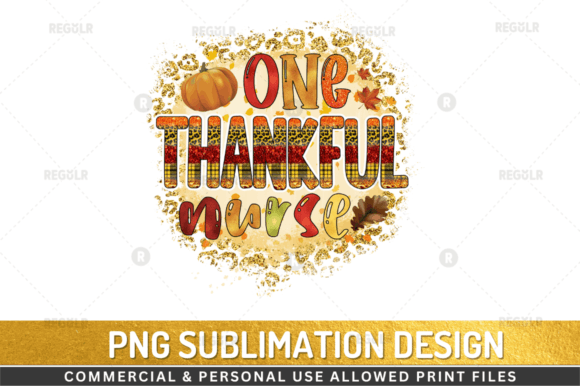
One Thankful Nurse Design: An Embroidery Review
First Look at the Design
When I opened One Thankful Nurse Sublimation Design, the mood hit me right away. It carries a gentle, heartfelt tone that feels more like a handwritten note than a generic graphic. The theme leans into gratitude without being overly sentimental, which is a tricky balance to pull off. As someone who reviews designs for real embroidery use, I immediately started picturing this on a soft cream tote bag or a cozy sweatshirt. The layout feels approachable, and the visual personality reads warm and sincere. It is the kind of design that makes you think about the nurse who would receive it and how they would actually feel opening that gift.
For embroidery designers and small business owners, first impressions matter because buyers judge a product within seconds. This one has a quiet confidence that sets it apart from louder, busier nurse-themed graphics I have seen in the Crafts category. The shape and overall composition suggest it was built with wearable projects in mind, not just screen displays. That matters when you are planning real stitch work.
Where This Design Naturally Belongs
I ran through my mental checklist of embroidery projects where One Thankful Nurse Sublimation Design would feel right at home. Custom apparel tops the list. A crewneck sweatshirt with this design stitched on the left chest or across the center front would make a thoughtful holiday gift for a nurse. Kitchen towels and aprons also come to mind, especially for someone who works long shifts and appreciates a small, personal touch at home. I can see it working beautifully on a canvas tote bag used for carrying work essentials or lunch.
Pillow covers and blankets offer another direction. The gratitude theme translates well to home textiles, and the design's personality suits a calming, cozy aesthetic. For craft business owners who sell at in-person markets or through Etsy listings, this design could anchor a small collection of nurse appreciation items. Boutique branding thrives on consistency, and a design like this, used across multiple product types, helps build a recognizable shop identity. I also considered baby items. A tiny onesie with this design, gifted to a nurse who just had a baby, would be a layered gesture of appreciation. The emotional weight of the message carries through, regardless of the product surface.
Real-Life Scenario: A Custom Embroidered Tote
Let me walk you through a practical scenario. I was preparing a custom embroidered tote bag for a client who wanted a retirement gift for a nurse with over thirty years of service. The request was specific: something heartfelt, not cheesy, and professional enough to be used daily. I pulled up One Thankful Nurse Sublimation Design and tested it on a medium-weight cotton canvas tote in natural beige. The design translated well because the visual weight of the lettering and graphic elements held up against the fabric texture. I used a medium cutaway stabilizer to keep the stitches crisp, and I paid close attention to thread color contrast. A soft navy thread on the beige fabric gave the design a polished, understated look that the client loved.
This is where practical design judgment comes in. The design did not fight the fabric. It settled into the material naturally, and the stitching clarity remained intact after I adjusted the stitch density for the canvas thickness. I could easily picture this same design on a denim jacket, a patch for a scrub cap, or even a framed piece for a nurse's station. The versatility is real, and that matters for small business owners who need one design to work across multiple product lines.
Stitching Clarity and Visual Appeal
From a technical embroidery perspective, One Thankful Nurse Sublimation Design benefits from a layout that does not rely on overly tiny details. Fine lettering and micro-elements can become problematic when stitches pile up, especially on textured fabrics or smaller hoop sizes. This design avoids that pitfall. The elements feel intentionally spaced, which gives the digitizer room to create clean satin stitches and smooth fill areas without the design turning into a dense, bulletproof patch of thread.
Customer trust hinges on the finished product looking professional. Buyers of handmade goods have high expectations, and a design that stitches out poorly can damage a shop's reputation fast. I appreciate that this design, when executed with proper stabilizer and appropriate thread choices, produces a result that feels giftable and legitimate. The recognition factor is strong. Anyone who sees it will immediately understand the sentiment, and that instant readability increases buyer engagement on platforms like Etsy where thumbnails need to communicate value quickly.
Fabric and Surface Considerations
I want to be honest about where you should use One Thankful Nurse Sublimation Design with extra care. Stretchy fabrics, like thin jersey t-shirts, require a firm stabilizer and possibly a topper to prevent the design from sinking into the knit. Dark fabrics demand thoughtful thread color selection because the contrast that looks good on a light background can disappear on black or charcoal. I always test a design on scrap fabric in both light and dark versions before committing to a final product. This step is non-negotiable if you are selling finished items.
Small hoop sizes are another consideration. If the design contains moderate detail, shrinking it down to fit a compact patch or a cap front could compromise legibility. Caps present their own challenge because curved surfaces distort flat designs. I recommend testing the design on a cap frame before offering it as a cap embroidery option in your shop. Thin fabrics, like lightweight tea towels, need a water-soluble topper to keep the stitches from burying into the weave. Layered garments, such as jackets with lining, add thickness that can throw off hoop tension. Adjust your machine settings accordingly.
Commercial Use and Licensing Awareness
Before you list a finished product featuring One Thankful Nurse Sublimation Design, confirm the licensing terms. The product description notes this is a downloadable PNG file you can print at home, and it mentions print-on-demand services. However, as an embroidery designer, you need to know whether the license extends to commercial embroidery projects, physical product sales, and digital product previews. The description does not specify stitch file formats, exact hoop sizes, or whether the design is pre-digitized for machine embroidery. This means you are likely working with the graphic as a reference for digitizing or using it as a printable mockup for your shop listings.
If you are an Etsy seller or craft business owner, clarity on commercial rights protects your work and your reputation. I suggest reaching out to the seller or reviewing the license file included with the download. Assume nothing. The phrase "use this for any print on demand service" is encouraging, but embroidery is a different production method. Verify before you invest time in digitizing and stitching for resale.
Practical Designer Notes for a Smooth Project
Over the years, I have learned that preparation separates a professional handmade product from a disappointing one. Here are the steps I follow before using any new design, including One Thankful Nurse Sublimation Design:
- Test on scrap fabric first. This is rule number one. Use a fabric similar to your final product and run a full stitch-out before you touch the actual garment.
- Check thread color contrast. Hold the thread spools against the fabric under natural light. What looks good on screen may not translate to thread.
- Review stitch density. If the design feels too heavy or too sparse, adjust your digitizing settings. The goal is a balanced finish that holds up to washing.
- Confirm hoop size. Measure the design dimensions and match them to your machine's hoop capacity. Leave at least half an inch of clearance on all sides.
- Inspect small details. Zoom in on lettering and decorative accents. If they blur at the intended size, simplify or enlarge the design.
- Test in black and white mockups. Seeing the design without color reveals whether the composition holds its own. This is especially useful for preview images in your Etsy shop.
- Compare light and dark fabric backgrounds. A design that sings on cream may fall flat on navy. Adjust thread colors accordingly.
- Use proper stabilizer. Match the stabilizer to the fabric weight and stretch level. Cutaway for knits, tear-away for wovens, and water-soluble topper for textured or plush surfaces.
How Buyers Perceive This Design
Customer psychology plays a role in handmade product success. A design like One Thankful Nurse Sublimation Design triggers an emotional response before the buyer even reads the listing details. The word "thankful" paired with "nurse" creates a sense of recognition and appreciation that resonates with gift shoppers. When someone is searching for a nurse gift, they are often looking for a way to express gratitude they struggle to put into words. This design does that work for them.
From a branding perspective, using this design consistently across a collection of embroidered products builds a cohesive shop aesthetic. A pillow cover, a tote bag, and a kitchen towel all featuring the same design language signal professionalism. Customers who buy one item and love the quality are more likely to return for another. The giftability factor is high, which matters during holiday seasons, Nurse Appreciation Week, and retirement celebrations. A well-executed embroidery project with this design becomes a keepsake, not just a commodity.
Thinking Beyond the Obvious
While sweatshirts and tote bags are natural fits, I encourage you to think creatively. An embroidered patch with this design can be sewn onto a scrub cap, a zippered pouch, or a jacket lapel. A framed embroidery piece, mounted in a simple hoop, becomes a wall hanging for a nurse's home or office. Tea towels with this design make excellent hostess gifts or craft fair staples. The Graphics nature of the product means you can also use the PNG file for printable mockups, allowing you to create polished listing images for your digital embroidery files or finished physical products.
For small shop owners who offer personalized products, consider adding a name or date alongside the design through embroidery editing software, provided the license allows modifications. Personalization increases perceived value and justifies a higher price point. Boutique businesses thrive on these small differentiators.
What I Would Do Differently
If I were to critique One Thankful Nurse Sublimation Design from a purely technical embroidery standpoint, I would note that the design's success depends heavily on the skill of the digitizer. The PNG file is a starting point, not a finished embroidery file. You must convert it through digitizing software, which means you control stitch types, density, pull compensation, and underlay. A rushed digitizing job will produce a poor stitch-out, no matter how beautiful the original graphic looks. Take your time. Test, adjust, and test again. The design deserves careful handling because the sentiment behind it is genuine.
I would also recommend keeping a stitched sample on hand for in-person markets. Customers respond to tactile proof. When they can touch the embroidery and see the thread quality up close, they buy with confidence. A sample in a neutral colorway with a clean finish sells the design better than any product description ever could.
Final Thoughts Before You Stitch
Evaluating One Thankful Nurse Sublimation Design as a real embroidery asset, I see a versatile, emotionally resonant graphic that fits neatly into the nurse appreciation niche. It works for custom apparel, home textiles, accessories, and gift products. The design's warmth and clarity translate well to thread, provided you approach digitizing with care and test thoroughly across different fabrics and hoop sizes. Small business owners, Etsy sellers, and crafters who serve the healthcare community will find this design a valuable addition to their product lineup. Just remember to confirm licensing, use proper stabilizer, and always test on scrap fabric first. The difference between a good product and a great one lives in those extra steps.