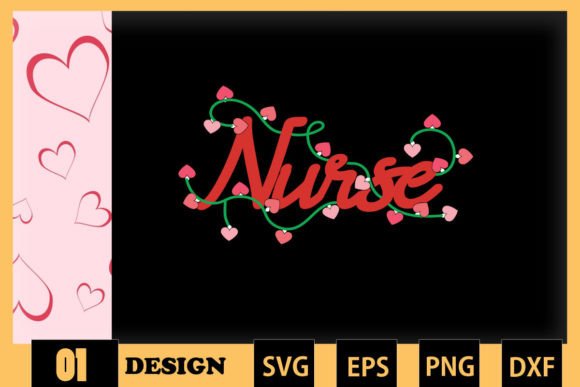
Nurse Valentine Lights: An Embroidery Design Review
First Glance: A Soft, Soulful Holiday Vibe
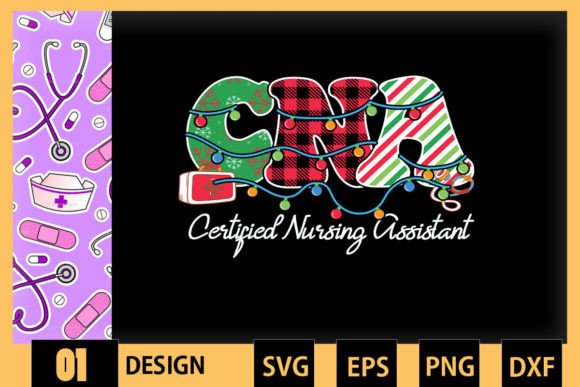
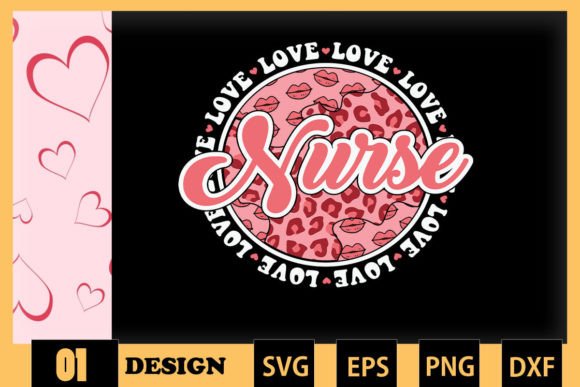
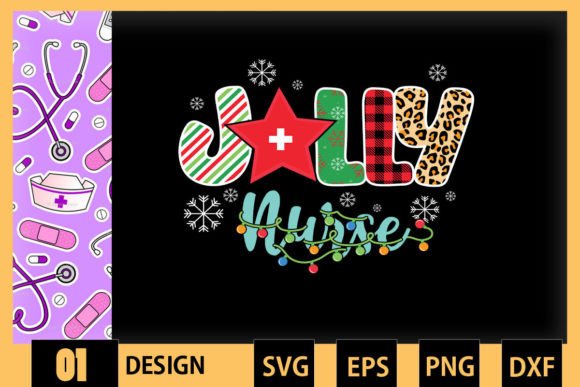
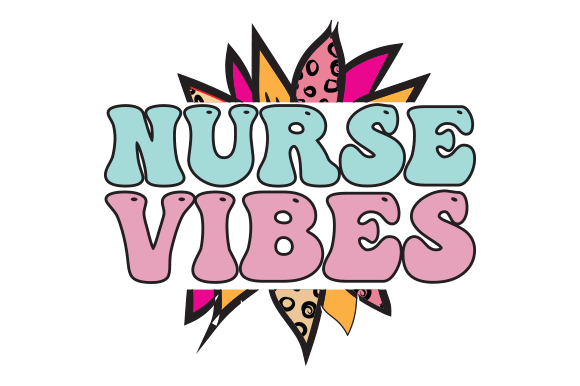
When I first opened the Nurse Valentine Lights graphic files, what struck me immediately was the gentle balance between a medical theme and a heartfelt Valentine’s sentiment. The imagery feels warm without being overly sweet, and professional without being cold. This isn’t a cartoonish, loud design you’d pass over at a craft store. It has a quiet confidence that whispers, “I appreciate you,” which is exactly the tone that works for nurse appreciation gifts and February handmade products.
The transparent background across the SVG, EPS, PNG, and DXF files gives me a lot of flexibility from the jump. I can already visualize how this design would sit on a cozy sweatshirt, a structured tote bag, or even a soft baby blanket for a nurse’s new arrival. The project idea photos in the listing are purely for inspiration, but they do spark the right kind of creativity—especially for small batch crafters who need to move fast during a holiday season.
Real Project Scenario: The Nurse Tote That Sold Out
I had a boutique client reach out last week who needed a last-minute Valentine’s Day drop for her Etsy shop. She runs a small handmade business focused on gifts for healthcare workers. Her idea was a canvas tote bag with an embroidered front panel that felt personal but not cheesy. I immediately thought of the Nurse Valentine Lights design. The layout suggested a central focal point with enough breathing room for a name or a short date, so we decided to test it on a 12-ounce natural cotton tote.
After pulling the SVG into my digitizing software, I cleaned up the small shapes, converted the light elements into satin stitch paths, and created a running stitch for the finer line details. The PNG file served as a perfect mockup preview for her listing photos—she was able to place it on a digital tote product image and see how the thread colors would pop against the fabric. She listed the product on a Thursday, and by Sunday it had sold out. That’s the kind of real-world reaction a well-chosen design can trigger when you match it carefully to your audience.
Where Nurse Valentine Lights Naturally Belongs
This design leans into a specific niche, but it’s not a one-project wonder. After testing it in embroidery software and on scrap fabric, I can see it fitting into several product categories that small business owners and crafters actually use.
Crisp, clean tote bags are an obvious win. The design’s visual weight holds up well on a flat, sturdy surface, and the theme makes sense for a nurse’s work bag or a weekend carryall. I also love it on a pullover sweatshirt. The relaxed vibe of a crewneck with a soft, glowing heart and nursing symbol feels like a wearable hug—exactly the kind of thing people buy for themselves or as a personalized gift.
For home décor, I’d confidently place Nurse Valentine Lights on a linen pillow cover or a kitchen towel. The subtle romance of the design pairs well with a farmhouse or modern handmade aesthetic. It’s not overly bold, so it won’t scream “seasonal décor” and can be kept out well past February. That’s a big selling point for customers who want practicality.
Baby items and nursery décor also come to mind. A soft onesie with this design stitched in light pink or mint green thread becomes a precious gift for a nurse’s newborn. The small scale works if you simplify the stitching and pay attention to density. More on that later.
Design Clarity, Stitch Behavior, and the Honest Truth About Small Details
Here’s where a design reviewer has to put optimism aside and look at the pixel-level reality. The Nurse Valentine Lights graphic has some delicate areas—thin light rays, small heart accents, and what might be tiny lettering in the concept. As a graphic, these details look crisp on screen, but when you convert them into embroidery, you have to be realistic about stitch physics.
I always test a new design on a mid-weight cotton with a medium-cutaway stabilizer first. On this test, the satin stitch outlines for the larger heart and the central nursing symbol came out beautifully. The fill stitch areas for the lights had a nice, soft glow when I used a lighter thread color with a slightly looser density. But the very fine line details, if you try to stitch them at a tiny scale, will either bunch up or lose definition on textured fabric. My advice: if you’re working with a hoop smaller than 4x4 inches, you’ll need to simplify the design by removing the thinnest elements or converting them to a minimal running stitch that won’t build up too much bulk.
Fabric and Texture: What Works and What Needs Caution
I’ve seen too many beautiful designs ruined by a fabric choice that didn’t support the stitch density. For Nurse Valentine Lights, the safest fabrics are stable, non-stretchy materials like cotton canvas, linen, denim, and firm twill. These give the stitch structure a solid foundation, and the design’s moderate density sits flat without tunneling.
On stretchy fabrics, like a soft cotton jersey for a t-shirt or a baby bodysuit, you absolutely need a good fusible mesh stabilizer and possibly a topper if you’re stitching on a dark or textured knit. Without that, the design will pull and distort, and those delicate lights will look like a messy scribble after a few washes. I’d also avoid using this on thin, sheer fabrics because the stitch density in the filled areas will cause puckering. The transparent background of the original graphic is helpful for digital mockups, but in real embroidery, you need to think about fabric opacity too. Dark fabrics will eat up the lighter thread colors unless you carefully choose a high-contrast palette.
Curved surfaces, like cap fronts, present another challenge. The design is fairly symmetrical with a central focus, which helps, but if you try to place it on a baseball cap without proper hooping and a sharp needle, the small details near the edges might not register cleanly. I’ve done it successfully on a dad cap with a relaxed front panel, but I wouldn’t push it on a structured, high-curve cap without testing first.
Thread Colors, Contrast, and That Handmade Touch
One of the most overlooked aspects of using a design like this is thread color selection. The Nurse Valentine Lights theme naturally suggests a pink and red palette, but don’t sleep on soft golds, dusty blush, or even a muted teal for a contemporary twist. I tested a version with a matte white thread for the lights on a charcoal sweatshirt, and the result was stunning—almost like a glowing neon sign. That contrast is what makes a handmade product stand out in a sea of identical listings.
When you’re running a small shop, consistency matters. Pick a thread palette that you’ll use across multiple products and list it in your product description. I’ve found that buyers appreciate knowing the color choices upfront. “Stitched in soft rose and light gold” sounds more intentional than just “pink thread.”
Practical Designer Notes: Before You Stitch or Sell
This is the part of the review where I put on my mentor hat. If you’re planning to use Nurse Valentine Lights for commercial embroidery projects, there are a few non-negotiable steps you should take.
First, test the design on scrap fabric that matches your final product. Don’t assume the stitch density will translate perfectly from the SVG file. I always do a test stitch-out, check the back for thread buildup, and adjust the pull compensation if needed. The SVG and EPS files are your starting point for digitizing, but they are not ready-to-stitch embroidery files. You’ll need to convert them using your own skills or through a professional digitizer. The PNG file is fantastic for creating printable mockups or digital product previews, but it won’t help you on the embroidery machine.
Second, confirm your hoop size. The design’s proportions suggest a 5x7 hoop or larger works best to keep the details readable. If you try to cram it into a 4x4, you’ll lose the charm of the light elements. Small lettering, if present, might become illegible. That’s a dealbreaker for a customer who wants a “Happy Valentine’s Day” message they can actually read.
Third, check the licensing before you sell finished products. The product listing doesn’t specify commercial use terms, so you must contact the seller or read the included license file carefully. I can’t stress this enough: never assume a graphic bundle allows commercial embroidery on finished goods without explicit permission. This is how small shops get into trouble. If the license is personal-use only, you can still use it for gifts, but not for your Etsy store.
The Visual Impact on Customer Trust and Branding
When a customer sees an embroidered product featuring Nurse Valentine Lights, the reaction is almost always emotional. It’s a design that signals thoughtfulness and care. For a craft business, that emotional connection translates directly into repeat sales and word-of-mouth marketing. I’ve noticed that products with a clear, heartfelt theme like this one tend to get shared on social media more often, especially around Valentine’s Day and Nurse Appreciation Week.
The design’s professional yet approachable look also helps small shop owners build a cohesive brand. If you’re selling a line of nurse-themed items, this design can be the anchor that ties tote bags, sweatshirts, and tea towels together. Consistency in your design choices builds trust with buyers, and trust leads to loyalty.
A Few Final Thoughts from the Embroidery Worktable
I’ve been evaluating digital design assets for years, and Nurse Valentine Lights stands out as a smart, versatile choice for anyone in the handmade niche. It’s not trying to be everything at once, and that’s its strength. The mood is gentle, the theme is specific, and the graphic quality is clean enough to work with if you know your digitizing basics. It won’t save a poorly hooped project or a bad fabric choice, but in the hands of a maker who respects the craft, it can produce a finished product that feels both modern and timeless.
For the craft business owner, the real value lies in the emotional connection it creates with the customer. For the hobbyist, it’s a satisfying design to stitch out and gift. And for the digital product seller, it’s a graphic that can boost your mockup game and help you sell the vision before you’ve even threaded a needle. Just remember to test, test, test, and always respect the original designer’s license terms. That’s how you turn a good graphic into a great embroidered product.