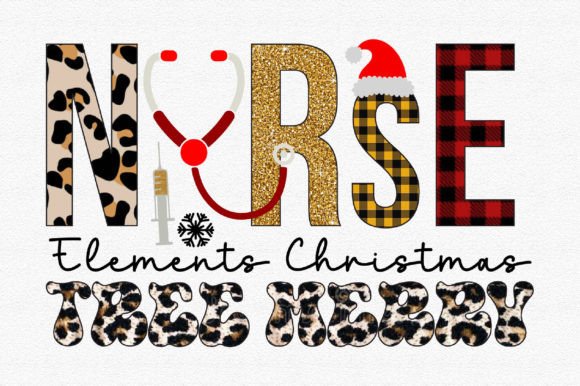
Nurse Elements Christmas Tree Merry: Embroidery Review
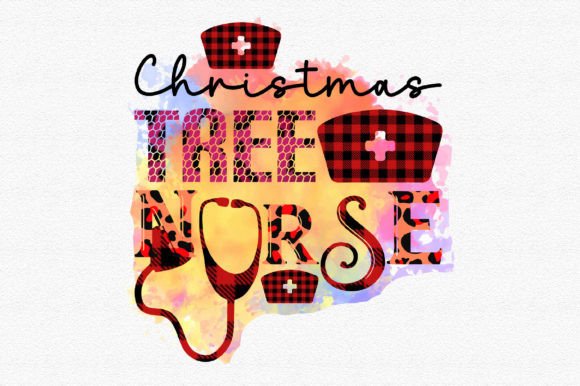
When I first opened the Nurse Elements Christmas Tree Merry design, I wasn’t looking at a finished embroidery file. I was holding a crisp, 300 dpi PNG with a whole lot of personality—and that’s exactly what I expected. The listing describes it as a sublimation PNG, not an SVG, so anyone who stitches knows it’s a starting point, not a push-and-stitch file. Still, the moment I saw the hand-drawn tree made of nurse icons and the tucked-in “Merry,” I started planning a real embroidery project. That’s always my test: can I picture this on a gift someone would actually use and love?
First Impressions: A Nurse’s Christmas with Heart
The design leans into a warm, almost scrapbook-style mood. A Christmas tree silhouette is built from nursing tools—a stethoscope looping like a garland, a syringe as a branch, tiny heartbeats, maybe a bandage strip. The word “Merry” sits inside the tree, not shouting but blending in. It’s sentimental without being cheesy, and that’s a hard balance. For a handmade gift, that tone matters. You want the recipient to smile, not roll their eyes. I immediately thought of my friend who works night shifts in a pediatric ward. This design would feel personal on a tote bag she carries to work, or on a zip-up hoodie she throws on after a long shift.
From Screen to Stitches: Thinking Through Digitizing
Since the file is a flat PNG, I’d need to digitize it for machine embroidery. That’s not a downside—many of my favorite projects start with a strong graphic. The 300 dpi resolution gives me clean edges, so tracing the shapes in digitizing software is straightforward. I’d separate the design into a few logical stitch areas: the tree outline in a satin stitch, the nursing elements as fill-stitch shapes with some subtle texture, and the “Merry” text as a running stitch or small satin lettering. The trick is keeping the playful feel. Over-digitized artwork can look stiff, and you lose that hand-drawn charm. I’d probably use a medium stitch density and let the fabric peek through a little, especially on a natural cotton tote.
Where Nurse Elements Christmas Tree Merry Fits Best in Real Projects
I tested the idea in my head on several products. A canvas tote bag is the obvious winner—it’s flat, sturdy, and shows off the tree’s vertical layout beautifully. The design would also work on a crewneck sweatshirt centered on the chest, or scaled down slightly for a scrub cap. I’ve seen similar nurse-themed designs sell well on Etsy as embroidered patches, so I could see digitizing a smaller version for a patch, though the tiny details would need simplifying. Pillow covers and kitchen towels are another natural fit for holiday markets. The design’s size and shape feel right for a 5x7 or 6x10 hoop, but I’d always test-fit first. Anything too small and the syringe or the “Merry” letters might turn into a blobby mess.
Thread and Fabric Decisions That Bring the Design to Life
Color choice can make or break this design. I’d lean into classic Christmas red and a deep forest green for the tree, but I’d add a twist: a soft teal or scrub-green accent that nods to hospital scrubs. That small detail makes the nurse theme instantly recognizable. The “Merry” text could be gold or white—white pops on dark fabric, but gold adds a festive touch. For fabric, a medium-weight cotton or cotton-poly blend gives the cleanest stitch definition. Towels work, but you’ll need a water-soluble topper so the lettering doesn’t sink into the nap. On a sweatshirt, a cutaway stabilizer is non-negotiable to keep the design from warping with wear. I’d also pre-wash the blank to avoid shrinkage surprises later.
The Tricky Bits: Small Text and Fine Details
Here’s where I’d pause. The “Merry” lettering is adorable, but at a typical design size, it’s probably under 0.3 inches tall. That’s risky for machine embroidery. Even with a 60-weight thread and a tiny needle, small letters can lose readability—especially on textured fabrics. I’d consider slightly enlarging the text during digitizing, or replacing it with a cleaner, slightly bolder font. The syringe and other tiny icons also deserve a close look. If the detail is too fine, I’d simplify them into a few well-placed stitches rather than try to replicate every line. A test stitchout on scrap fabric is the only way to know for sure. I’d also check the black-and-white mockup: if the design still reads well without color, you know you’ve got a strong silhouette.
Commercial Use and the Small Business Angle
If you’re selling finished embroidered items, you need to check the license. The product description doesn’t explicitly state commercial embroidery rights—it’s sold as a sublimation PNG in the Crafts category, under Graphics. That tells me it’s likely intended for personal use or for sublimation blanks, not for turning into embroidery files and selling finished goods. I’d reach out to the seller and ask directly. Many designers are fine with small-scale handmade sales, but you don’t want to assume. For a craft business, that clarity is everything. You’re not just buying a pretty picture; you’re buying the right to use it in a way that builds customer trust and keeps your shop out of trouble. The watermark is for protection, so the file you receive is clean, but the usage terms still need confirming.
My Practical Checklist Before You Stitch
Over the years, I’ve learned that a great design is only half the story. The execution matters just as much. Here’s what I’d do before adding Nurse Elements Christmas Tree Merry to any project:
- Test on scrap fabric with the exact stabilizer and thread you plan to use. Watch for puckering around the tree base.
- Check thread color contrast on both light and dark backgrounds. What looks crisp on a screen might blend in on a navy sweatshirt.
- Inspect small details after stitching. If the syringe or lettering loses definition, tweak the digitizing file—don’t just hope it looks okay.
- Use the right hoop size for the digitized version. A design that’s too tight in the hoop increases stitch density and can make the fabric stiff.
- Consider a topper on fluffy fabrics like fleece or terry cloth. It keeps the stitches from sinking and the design from looking fuzzy.
- Run a black-and-white printout to judge the design’s readability without relying on color. This is a quick way to spot weak areas.
- Confirm commercial use with the original seller before you list anything on Etsy or in a boutique.
Final Thoughts
Nurse Elements Christmas Tree Merry is the kind of design that makes a craft project feel like a real gift, not just a product. It has a warmth that resonates with healthcare workers, and it’s versatile enough for tote bags, sweatshirts, and seasonal decor. The fact that it arrives as a PNG means you have to do the digitizing work, but that’s actually a creative advantage—you can tailor the stitch style to your own machine and the fabric you love. The small details do require a careful eye, and I’d always recommend a test stitch before committing to a final piece. For an embroidery designer who enjoys bringing a graphic to life, this design is a charming, practical choice. Just be sure to sort out the licensing, and you’ll have a finished product that feels both professional and deeply personal.