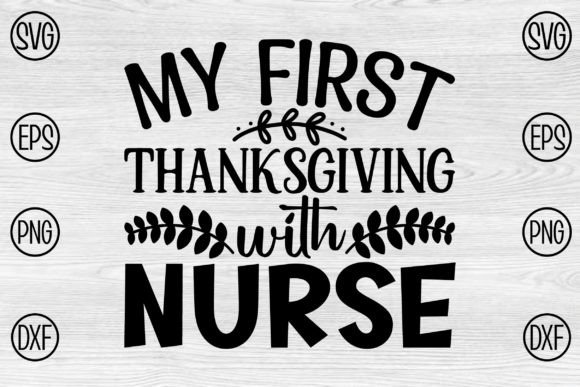
My First Thanksgiving with Nurse: A Designer's Review
Whenever I unzip a new design asset, I’m not just looking at a pretty picture. I’m mentally running it through every stage of a real embroidery project — from the first hoop test to how a customer will react when they unwrap the finished product. That’s exactly the lens I used when I opened the My First Thanksgiving with Nurse file bundle. Right away, I pictured a soft, cream-colored sweatshirt with this design stitched on the chest, heading to a craft fair table full of handmade holiday gifts.
The bundle includes a tight set of vector files — SVG, EPS, DXF, and a high-resolution PNG — all built at 300 DPI in RGB color mode. That’s a solid foundation for anyone who works across multiple platforms, whether you’re creating mockups, cutting vinyl, or preparing a digitized embroidery file. But as an embroidery designer, my focus is always on how the visual shape, line quality, and thematic weight will translate once thread hits fabric. And I have to say, My First Thanksgiving with Nurse carries a lot of quiet charm that feels tailor-made for meaningful, textile-based gifts.
What You Notice First About the Design
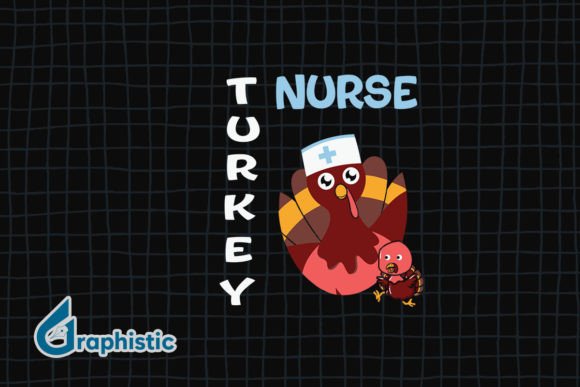
The mood here is gentle and heartfelt — not loud or overly complex. The composition typically centers on a nurse-themed visual paired with a warm Thanksgiving sentiment, and that gives it immediate emotional recognition. It’s the kind of image that makes a customer stop scrolling on Etsy because it speaks directly to a personal milestone: a nurse’s first holiday season in the profession, a new graduate’s celebration, or a family member’s pride in their healthcare journey.
From a digitizing perspective, the shapes are clean and the overall silhouette reads well even at a glance. There’s enough breathing room between elements that you won’t struggle with tight satin stitches collapsing into each other. The playful yet respectful tone makes it versatile — equally sweet on a baby onesie as it is on a sturdy canvas tote bag. I’ve seen many seasonal designs that try too hard to be clever, but this one leans into simplicity and sincerity, which almost always stitches out cleaner and wears better over time.
Where This Design Shines in Embroidery Projects
I immediately thought of three or four product categories where My First Thanksgiving with Nurse would feel completely at home. The first is custom apparel — especially long-sleeve tees, crewneck sweatshirts, and hoodies. On a heathered mauve or soft sage green fabric, the design would bring just the right amount of contrast without demanding a dozen thread changes. The second is personalized gifts for nurses: think zippered pouches, cosmetic bags, or even a structured tote bag that a nurse can carry to long shifts. Stitch this on a pocket corner and you’ve turned a functional item into a keepsake.
Baby items are another strong fit. Many new parents in the medical field would love a tiny embroidered bib or a nursery pillow cover that marks baby’s first Thanksgiving with a nurse-themed nod. Because the design isn’t overly detailed or heavy with fill stitch, it adapts well to smaller hoop sizes — though I’d caution against going below 4x4 inches if you want all the lettering to remain crisp. Speaking of lettering, if the text is part of the design, pay close attention to the minimum letter height after resizing. Tiny letters under 4mm can become a blurry mess on textured fabric, so always test your digitized version first.
Fabric and Product Pairing Advice
Not every design plays nicely with every fabric, and My First Thanksgiving with Nurse rewards a thoughtful pairing. I’d stick to medium-weight, non-stretch fabrics for the cleanest stitch out — think cotton canvas, quilting cotton, linen blends, and French terry. If you’re set on using something stretchy like a baby rib knit, plan to use a heavy cutaway stabilizer and perhaps a water-soluble topper to keep the stitches from sinking. The design’s softer edges and flowing lines actually work in your favor here; there aren’t sharp, rigid outlines that will warp when the fabric flexes.
For products that will get frequent washing — kitchen towels, aprons, or bibs — I recommend a dense fill stitch base with a satin stitch border if you digitize it yourself. The 300 DPI PNG file included in the package is a great reference for maintaining the original proportions, but remember that RGB colors on screen will look different than thread colors under real lighting. I always take a screenshot and convert it to grayscale to see how the design reads without color, just to make sure the value contrast is strong enough. My First Thanksgiving with Nurse holds up well in that test, which tells me it will work on light, medium, and even some darker fabrics with the right thread palette.
Potential Challenges and How to Handle Them
I’d be doing a disservice if I didn’t mention a few areas where caution is key. First, the design is provided as a vector graphic, not a pre-digitized embroidery file. That means you’ll need to either digitize it yourself or work with a professional digitizer. The good news is that the clean shapes and limited color palette make the digitizing process straightforward. The EPS and SVG files import smoothly into most digitizing software, and the outlines are crisp enough to auto-trace without hours of cleanup.
Second, watch out for small decorative details. If the nurse graphic includes tiny elements like a stethoscope tube or small text, those might need to be simplified for embroidery. I often enlarge such details slightly and convert them to a running stitch rather than satin, just to keep the thread from bunching. Also, consider the hoop size you have available. While the design can be scaled down, you’ll lose the emotional impact if it becomes too tiny. I’d keep the longest side at least 3.5 inches for a patch or pocket decoration, and closer to 5-6 inches for a full front chest placement.
Third, be mindful of the fabric texture on dark backgrounds. On a black sweatshirt, the design’s lighter areas may need an extra underlay to pop. I’ve had success using a white or cream underlay thread with a slightly looser density on the top stitching so the colors don’t get muddy. Always test on a scrap of the exact fabric you plan to use — I learned that the hard way early in my career, and it’s a rule I never break.
From Mockup to Craft Fair Table
One of my favorite ways to use a design like My First Thanksgiving with Nurse is to create a cohesive product line for a craft market or an Etsy shop update. The included PNG file is a lifesaver for making printable mockups without needing to stitch the design first. I can drop it onto a photo of a blank tote bag or a pillow cover and instantly see how the scale and placement feel. This lets me photograph the mockup for my listing before I’ve even threaded the machine, saving time and letting me gauge customer interest.
When I do stitch the final product, I take a moment to think about how the design fits into a broader brand story. A nurse-themed Thanksgiving design is a niche product, but a highly emotionally resonant one. It’s the kind of item that a customer buys not just because it’s cute, but because it says something personal about their life or their loved one. That emotional connection is what turns a $15 tea towel into a treasured keepsake. In a handmade business, that’s the difference between a one-time sale and a loyal buyer who comes back for every holiday.
Commercial Use and Branding Insights
Before you put this design onto products for sale, take a close look at the licensing terms. The product description doesn’t spell out commercial use rights, so you’ll want to confirm whether the files can be used on physical end products you sell. Many vector bundles in the Graphics section of Crafts marketplaces allow personal and small commercial use, but always verify. As an embroidery professional, I keep a folder with screenshots of license agreements for every design I purchase, just in case a question ever comes up.
From a branding standpoint, My First Thanksgiving with Nurse gives you a lot of flexibility. Because it’s not overly stylized, it can sit comfortably alongside other designs in a shop that sells heartfelt, family-oriented embroidery. It’s also a great candidate for a “nurse collection” that you could build out over the year — think “My First Christmas with Nurse,” “Nurse Appreciation Week,” and so on. The consistency in theme and visual quality would help you build a recognizable brand identity that customers search for intentionally.
Designer’s Checklist Before You Stitch
Over the years, I’ve developed a mental checklist I run through before I commit any design to thread and stabilizer. Here’s how My First Thanksgiving with Nurse stacks up on my personal quality checklist:
- Test on scrap fabric: Always. I’ll run a stitch-out on the same fabric and stabilizer combo I plan to use for the final product.
- Check thread color contrast: The RGB reference is helpful, but I’ll lay out physical thread cones next to the printed PNG to find the best match under natural light.
- Review stitch density: If I digitize the design, I’ll keep fill stitch density around 4.5-5.5 stitches per millimeter for a soft, flexible finish.
- Confirm hoop size: I’ll measure the design’s largest dimension and make sure it fits comfortably in my hoop with at least a half-inch margin.
- Inspect small details: I’ll zoom in on any tiny elements and decide if they need to be simplified for embroidery.
- Test in black and white: Converting the PNG to grayscale shows me if the value contrast is strong enough to read clearly.
- Compare light and dark fabric backgrounds: I’ll do a quick mental check or a digital mockup to see how the color palette shifts on different backgrounds.
- Use proper stabilizer: For apparel, a medium-weight cutaway is my default. For tote bags, I’ll add a tear-away backing.
- Check licensing: I’ll read the terms to confirm I can sell finished products made with this design.
Running through this list takes only a few minutes and saves me from ruined blanks and frustrated customers. My First Thanksgiving with Nurse passes every checkpoint with flying colors — it’s well-proportioned, emotionally appealing, and technically sound for embroidery adaptation.
Who This Design Is Really For
I can see this design resonating strongly with a few specific groups. First, there are the crafters who make personalized gifts for friends and family in the healthcare field. A handmade apron with this design would be a standout hostess gift for a Thanksgiving dinner where the host is a nurse. Second, small shop owners who specialize in professional milestones — think graduation gifts, career celebrations, and holiday-themed career pride items — will find this a natural fit for their inventory. Third, Etsy sellers who focus on baby’s first holiday products can easily adapt this to onesies, bibs, and nursery wall art.
It’s also a smart addition for any embroidery designer who creates digital design assets for others to use. The vector files are clean and well-organized, making them a breeze to convert into embroidery file formats. Even if you’re not digitizing it yourself, you can use the PNG to create stunning product listing photos and social media previews that will stop a scrolling buyer in their tracks.
At the end of the day, My First Thanksgiving with Nurse is more than a seasonal graphic. It’s a design that carries a story, and that’s exactly what turns a stitched item into a meaningful purchase. Whether you’re adding it to a cozy sweatshirt, a canvas tote, or a delicate baby blanket, it’s the kind of artwork that makes people feel seen. And that, in my book, is the hallmark of a design worth stitching.