Evaluating the Surgical Assistant Embroidery Design
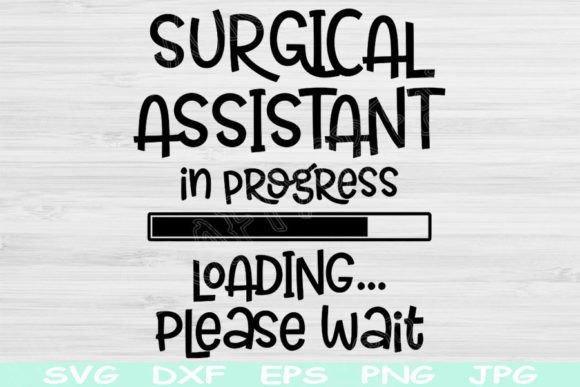
When a new embroidery file lands on my desktop, my first thought isn't just about its aesthetic—it’s about its practical soul. How will it translate from a digital outline to threaded stitches on real fabric? What story will it tell once it’s on a product? Today, I’m looking at the Surgical Assistant Svg in Progress Dxf, a design squarely aimed at the medical community, with the playful twist of a “loading, please wait” message.
The Immediate Mood and Project Fit
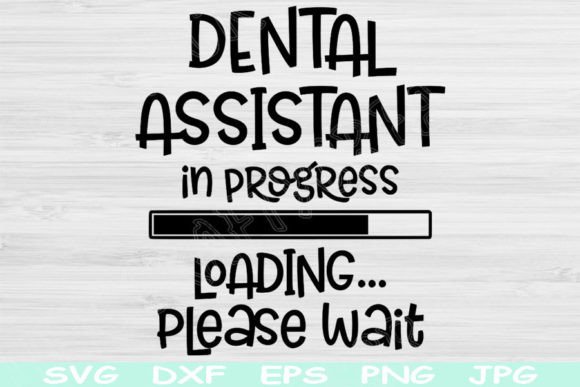
This design immediately strikes a clever, human tone. It’s professional—clearly identifying “Surgical Assistant”—but the “in progress” text injects warmth and a bit of modern, digital-era relatability. The layout feels balanced, with the title taking clear prominence. For an embroidery designer, this signals a project that’s both a mark of identity and a personal touch. It doesn’t scream “official hospital logo”; it whispers “personalized gift for a dedicated professional.”
In my mind, it naturally belongs on items that blend everyday use with personal pride. Think of a custom embroidered tote bag for carrying books and supplies, a cozy sweatshirt for post-shift relaxation, or a crisp apron for a home kitchen. It would make a thoughtful, unique gift for a graduation, promotion, or holiday like Nurses Week. The vibe is appreciative and slightly insider, perfect for creating a product that feels specifically made for someone in the medical field.
Where This Design Performs Brilliantly
In real-life embroidery situations, this graphics file has clear strengths. On custom apparel like polo shirts or hoodies, it becomes a badge of honor. For small business merchandise or Etsy listings targeting medical students or professionals, it adds a niche, giftable option. As an embroidered patch, it could be applied to a backpack or laptop sleeve. I envision it beautifully stitched on a kitchen towel or pillow cover for a home, blending a career passion with domestic comfort.
The text-based nature means it will generally have good stitching clarity, provided the digitizing is clean. On a sturdy tote bag or a smooth baby blanket (as a gift for a new parent in the profession), the satin stitches for the lettering should pop. It’s also excellent for digital product previews and printable mockups, helping crafters and digital product sellers showcase the final product concept clearly.
Considerations for Stitching Success
Like any embroidery design, its performance depends on thoughtful application. The “in progress” text is smaller; on very small hoop sizes, those details might become dense or lose definition. I’d be cautious on highly textured fabrics like some sweaters, or on stretchy fabric without proper stabilizer, as small lettering can warp.
Dark fabric backgrounds require careful thread color contrast planning—a bright white or light blue satin stitch would be essential. On curved surfaces like caps, the design’s horizontal layout needs proper placement to avoid distortion at the seams. For products needing frequent washing, like aprons or tea towels, ensuring a robust stitch density and using quality thread will maintain the design’s integrity and customer trust in your handmade product.
Impact on Your Project's Value
Using this design well elevates your work. It boosts visual appeal through its clever concept, which in turn increases giftability and buyer engagement in a niche market. For a craft business, it demonstrates an understanding of specific audiences, enhancing brand consistency if you cater to medical themes. The professionalism of the core message, paired with the friendly twist, makes finished items feel both respectful and personal.
For apparel decorators or creative entrepreneurs, it’s a design that tells a story, which is far more sellable than a generic graphic. That story translates directly to product value and can make your handmade presentation stand out at a craft fair or in a boutique.
Practical Notes Before You Hoop the Fabric
My standard advice always applies: test the design on scrap fabric first. Use the same material and weight as your final project. This allows you to review stitch density, inspect small details like the smaller text, and check thread color contrast. Always use proper stabilizer for the chosen fabric.
Since this is a machine embroidery design provided in Svg and Dfx formats, confirm your machine’s compatibility with the specific file. Check whether the design works for both personal and commercial projects by reviewing the license terms associated with the file. Never assume—confirm licensing before selling finished items or using it as a commercial design asset. This protects your business and respects the designer.
I also recommend testing it in black and white mockups and comparing light and dark fabric backgrounds digitally before committing thread. This simple step can save time and materials, ensuring the final embroidery project meets your quality standards.
A Natural Scenario: The Commemorative Tote Bag
Let’s picture a real case. A client requests a gift for her sister who just completed her surgical assistant certification. She wants a durable, useful tote bag. This design is ideal. Stitched in a clean, navy blue satin stitch on a light canvas bag, the “Surgical Assistant” text stands authoritative, while the “in progress” line adds a touch of humble, ongoing journey. The result is a personalized product with emotional resonance—practical, proud, and perfectly niche. It’s exactly the kind of project where this embroidery file shines, moving from a digital graphic in the crafts category to a cherished, physical object.
Ultimately, the Surgical Assistant Svg in Progress Dxf offers a smart blend of form and function. Its success hinges on your skill as a maker—choosing the right project, preparing the materials correctly, and understanding the audience who will love it. With that care, it transforms from a simple graphic into a meaningful finished product.