An X-ray Tech Design for Real-World Embroidery
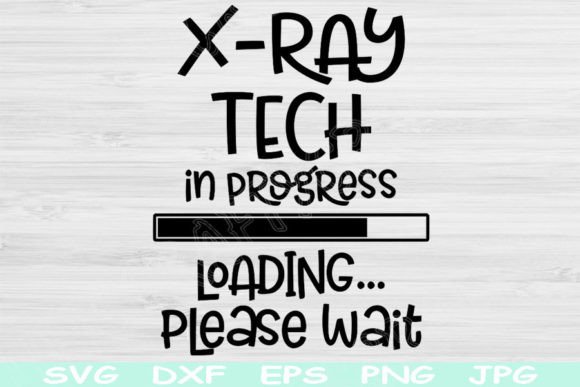
When I first opened the X-ray Tech Svg in Progress Loading Dxf design, my mind immediately went to practical application. This isn't just a graphic; it's a message with a specific audience, and that changes how you approach the embroidery project. The 'in progress loading please wait' text gives it a friendly, technical-but-patient vibe, perfect for celebrating the meticulous work of medical professionals in a lighthearted way.
The First Impression: Where Does This Design Belong?
The layout is straightforward, making it highly adaptable. The primary text is clear and the 'loading' bar offers a simple, recognizable visual element. This isn't a fussy, overly detailed embroidery file. That's a significant advantage. It means the design can translate well across different scales and products without losing its character. It feels like it belongs on items meant for daily use or display by someone in the field.
I imagined a scenario right away: a custom sweatshirt for a radiology department's team celebration. The design’s tone is supportive and slightly humorous, acknowledging the often unseen waiting period in their work. It could stitch out beautifully as a chest logo on a navy or heather gray sweatshirt. Similarly, a simple tote bag for carrying lunch or supplies to the clinic would be a fantastic, functional gift. The mood is professional enough for the workplace but personal enough for a genuine, handmade presentation.
Performing in the Real World: From Baby Bibs to Boutique Merch
For embroidery designers and small business owners, the real test is how a file performs across a range of products. This X-ray Tech design has a specific theme, which naturally guides its best applications.
For custom apparel like t-shirts, polo shirts, or lab coat patches, it offers a clean, identifiable logo. For a more personal touch, consider it on a baby item like a bib or blanket for a child of an x-ray technician—a sweet nod to their parent's profession. As a embroidered patch, it could be applied to a backpack or a stylish apron, perfect for a craft fair or Etsy seller focusing on medical-themed gifts.
Its simplicity makes it a candidate for home decor items too. A pillow cover or a kitchen towel in a home office space could showcase pride in one's work. For holiday gifts or wedding gifts for a colleague, embroidered onto a tea towel or framed as a small decorative piece, it feels thoughtful and unique. As a digital product seller, using this design in printable mockups for mugs or apparel shows its versatility instantly, which aids in buyer engagement for your craft business.
Practical Considerations for Stitching Success
While the design appears clean, its successful translation into a physical finished product depends on mindful execution. Here are the practical embroidery designer notes I would consider before hooping any fabric.
First, always test the design on scrap fabric that matches your final project's material. The text, especially the smaller 'please wait' portion, needs adequate stitch density to remain legible. Check thread color contrast meticulously. On dark fabrics like black or navy sweatshirts, you'll likely need a bright, opaque white or a light blue to ensure clarity. On light fabrics, a darker, rich blue or charcoal gray would give it a technical feel.
The 'loading' bar element is a solid block. On stretchy fabric like t-shirt jersey or on textured fabrics like some towels, you'll need appropriate stabilizer to prevent puckering in that filled area. For small hoop sizes or applications on curved surfaces like caps, consider simplifying or ensuring the design is scaled appropriately so the text doesn't become too compressed.
Given this is a machine embroidery design file, inspect the small details in your software. How are the corners of the bar rendered? Could they become too dense? This is less about the design's concept and more about its technical preparation for stitching. Also, compare light and dark fabric backgrounds in your digital preview to plan your thread palette.
Where to Use This Design Carefully
Certain applications require extra attention. The design's value lies in its clear message, so if that clarity is lost, the product's appeal diminishes.
Avoid using it on items with extremely textured fabrics like deep-pile fleece or loosely woven blankets without thorough testing, as the lettering may get lost. On thin fabric without proper stabilizer, the fill stitch area of the loading bar could cause distortion. For products that need frequent washing, like work shirts or baby clothes, ensure your stitch density and stabilizer use are robust enough to maintain integrity over time, preserving that handmade presentation and customer trust.
If creating an embroidered patch to be layered onto another garment, the design's simplicity is an advantage, but the edges of the bar should be smooth. For commercial embroidery projects where consistency across dozens of items is key, the design's straightforward nature aids in brand consistency and professionalism.
Adding Value for Your Customers and Your Business
From a business perspective, this X-ray Tech Svg in Progress Loading Dxf design is a solid crafts and graphics asset. Its niche theme means it attracts a specific, appreciative audience. When embroidered well, it enhances product value by feeling both custom and relevant. For an Etsy seller or small shop owner specializing in medical field gifts, it adds to a curated collection.
The visual appeal is clean and modern, which supports stitching clarity. A well-executed stitch-out looks intentional and skilled, not cluttered. This builds buyer engagement because the final product clearly communicates its purpose. As a personalized gift, it has high giftability and recognition—the recipient immediately understands the thought behind it.
A final, crucial note for all creative entrepreneurs and digital product sellers: always confirm licensing before selling finished items or digital products. The product description suggests its use for medical-related items, but you must verify the specific terms for commercial use. Furthermore, check whether the design works for both personal and commercial projects in your intended format. This due diligence protects your business and respects the designer's work.
In essence, this design is a practical tool. It won't do the embroidery work for you, but it provides a strong, thematic foundation. By considering its application on the right products, preparing your stitch-out with care, and respecting its licensing, you can transform this digital embroidery file into a genuine, valued handmade product that truly speaks to its audience.