A Designer’s Practical Review: Hairdresser in Progress SVG
Whenever I evaluate an embroidery file for real project use, my first thought isn’t about the download; it’s about the stitch. How will this design actually look when it’s hooped, stabilized, and threaded? Let’s walk through that process with the Hairdresser in Progress Loading SVG, a design that immediately brings a smile but demands a practical eye.
The First Impression: Humor with a Professional Tone
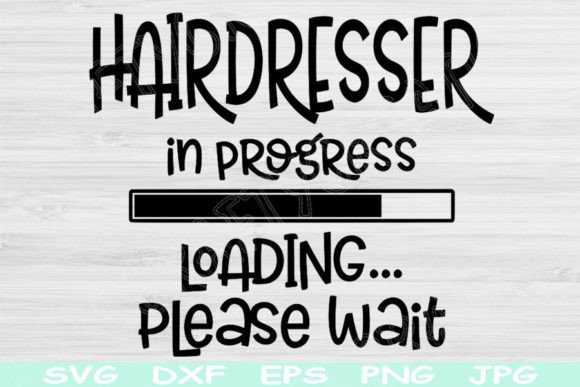
This design’s personality is clear from the moment you open it. The “Hairdresser in Progress Loading Please Wait” theme cleverly bridges professional craft and lighthearted relatability. It doesn’t scream; it chuckles. This isn’t a generic graphic. It’s a conversation starter, perfect for a custom apparel or personalized gift meant for someone in the trade. The layout suggests a clean, central motif, likely with text integrated around a hairdresser-related icon. For embroidery, this means we’re looking at a design that needs stitching clarity, especially in the lettering, to maintain that friendly, confident mood.
Where This Design Naturally Belongs
Thinking about real-life embroidery situations, this file feels destined for items that are both functional and personal. Imagine a busy salon owner. An embroidered apron with this design becomes a piece of boutique branding, a uniform that engages clients. A tote bag for her tools, personalized with this sentiment, adds a layer of handmade presentation that builds customer trust. It’s equally strong for giftability: a cozy sweatshirt for a hairdressing apprentice, a tea towel for a home-based stylist’s kitchen, or even a pillow cover for a waiting area.
The description mentions it would look great on a shirt or mug, which aligns perfectly. For craft business owners and Etsy sellers, this is a ready-made digital embroidery file for creating merchandise. A simple, well-embroidered cap with this design could be a standout product at a craft fair. The “in progress” message has a universal, waiting-room appeal that translates well to finished products meant for recognition and engagement.
Caution Zones: Where to Use Careful Judgment
My professional designer instinct flags a few areas to approach with caution. The success of any machine embroidery design hinges on its adaptation to the medium.
- Small Details & Lettering: The phrase “Hairdresser in Progress Loading Please Wait” contains relatively long text. In a small hoop size, this could become a dense stitch area with tiny lettering. Satin stitches for text at a small scale risk losing clarity, especially on textured fabrics like fleece or looped towels.
- Fabric Choice: On thin or stretchy fabric like a lightweight t-shirt, a design with potentially high stitch density might cause puckering without the right stabilizer. On dark fabric, thread color contrast is paramount—light, bright threads will be essential to maintain the visual appeal.
- Complex Surfaces: Embroidering this onto a curved surface like a cap requires checking how the layout distorts. The “loading” theme is fun, but if the design has detailed corners or decorative accents, they might get lost on a curved seam.
- Product Durability: For items that need frequent washing—like baby clothes or kitchen linens—a very dense, large design might not hold up as well over time compared to a simpler, smaller version.
Turning a Graphic into a Valuable Embroidered Product
How does this SVG affect the final product’s value? For a creative entrepreneur, it offers a ready-made design asset that speeds up creation. Its specific theme adds professionalism and niche appeal, which can elevate a simple tote bag from generic to purpose-made. For the customer receiving it as a gift, the handmade embroidery paired with a witty, industry-specific message significantly boosts its perceived thoughtfulness and brand consistency if it’s from a small shop.
In a commercial setting, such as an apparel decorator producing uniforms, this design could foster team camaraderie and client engagement. It’s a design that tells a story, and in embroidery, that story is told through thread. The key is ensuring the stitching tells it clearly.
Practical Notes from the Hoop
Before loading this file into your machine for a real embroidery project, here’s my standard workflow advice, which applies perfectly here:
- Test on Scrap First. Always. Use the same fabric and stabilizer combination you plan for the final product. This reveals the true stitch density and how small details like the word “Loading” actually sew out.
- Check Contrast in Black & White. Create a simple black and white mockup of the design. This helps you visualize its form without color, ensuring the layout is strong even if you change thread colors.
- Compare Light and Dark Backgrounds. The design might be intended for light fabrics, but how would it look on a dark polo shirt? Plan your thread palette accordingly.
- Confirm the Practical Details. The product is listed under Crafts and Graphics. As an embroidery designer, you must confirm the specifics not provided in the brief: the exact file formats for your machine, the licensing terms for commercial embroidery use, and the recommended hoop size. Never assume.
- Consider the Final Product Context. Is this for a one-off holiday gift, or for inventory in your small shop product line? That decision might influence your choice of fabric quality and embroidery size to balance cost with visual appeal.
A Design Ready for the Right Project
The Hairdresser in Progress Loading SVG is a graphic with a clear, charming purpose. From my point of view as a designer reviewing it for embroidery, its success hinges entirely on thoughtful application. It’s not a design I’d blindly stitch onto any surface. It’s a design I’d carefully pair with a robust fabric, a sufficiently large hoop, and a project that calls for a bit of professional humor—like a custom embroidered patch for a stylist’s work jacket or a baby embroidery item for a hairdresser’s newborn (perhaps a bib saying “Mom is in Progress”).
When used with the practical precautions of our craft, it transforms from a digital file into a textured, tangible product that carries both function and personality. That’s the real value of a good embroidery design: it gives us the framework to create something that feels genuinely made, not just manufactured. This design provides that framework. Now it’s up to us, the makers, to fill it with the right thread, fabric, and intention.