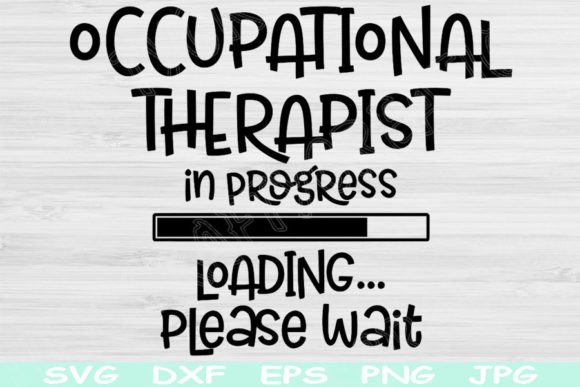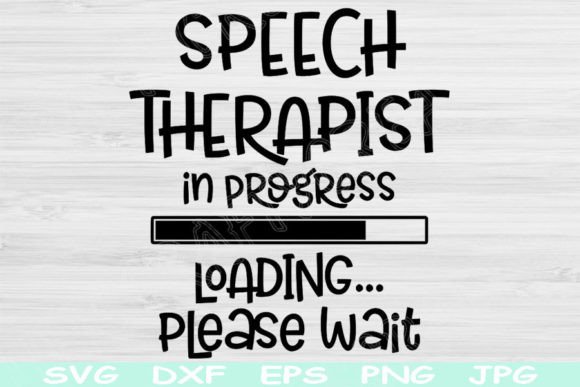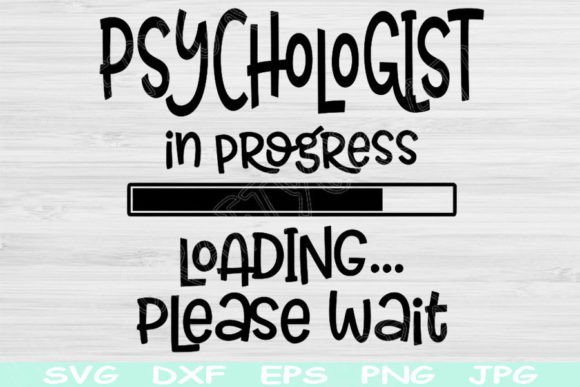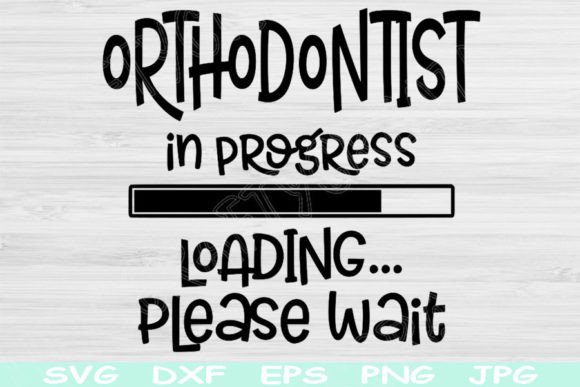
A Design Review: Children s Therapist in Progress Loading
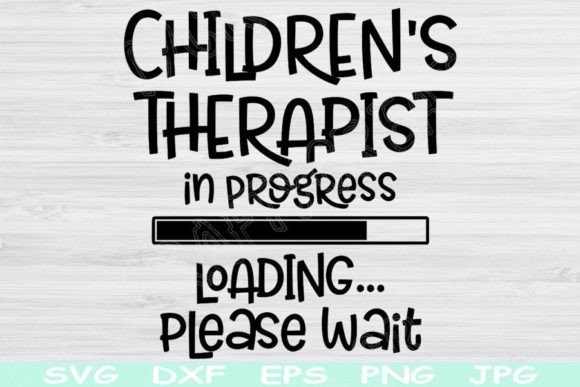
Whenever I receive a new embroidery design for review, my first step is to imagine it stitched out. Not on a flat screen, but on fabric—under a hoop, with thread. Today’s design, Children s Therapist in Progress Loading, immediately conjured a specific, warm mood. The playful, system-style “loading” phrase paired with a serious professional title creates a gentle, hopeful, and humanizing feeling. It’s not just a label; it’s a statement of ongoing care.
Where This Design Naturally Belongs
The layout and wording of this design make it a natural fit for soft, personal, or giftable items. My mind went straight to a scenario: a custom embroidered tote bag for a therapist who works with children. This isn’t a loud, graphic tee slogan. It’s more intimate. It would look wonderful on a cozy sweatshirt, a nursery pillow cover for a therapist’s own child, or a well-made apron for a clinic kitchen. The theme suggests it would be a deeply appreciated personalized gift for a graduating counselor or a holiday present for a dedicated professional.
Real-World Embroidery Performance: A Practical Look
In practical embroidery situations, the success of a design hinges on clarity and stitch integrity. For Children s Therapist in Progress Loading, the detail level and the potential for small lettering in the “loading please wait” portion are my primary focus. On a medium-scale project, like a tea towel or a patch, it should stitch out cleanly. The words are the central graphic element, so satin stitches for the text and perhaps a fill stitch for any simple accompanying graphical elements (like a possible loading bar) would be key.
For apparel decorators and small business owners creating merchandise—think Etsy listings for therapist appreciation gifts—this design adds value through its niche relevance. On a high-quality black sweatshirt with crisp white thread, it would convey professionalism and heart. For baby clothes or blankets, aiming for a softer, perhaps pastel thread palette would align with the gentle theme. As a digital product seller, offering this as part of a “medical professional” bundle could attract crafters looking for specific, meaningful designs.
Considerations for Stitching Success
Where you should use this design carefully is on very small items or tricky fabrics. Embroidering it on a cap’s curved surface would require careful attention to the lettering density to prevent puckering. On thin or stretchy fabric, like a standard t-shirt, a robust stabilizer is non-negotiable to keep the text readable. For dark fabric backgrounds, thread color contrast is paramount—a light thread on dark fabric will make the message pop, but test the stitch density first on scrap fabric to ensure the finer details don’t get lost.
The design’s appeal relies on stitching clarity. If the small details stitch out cleanly, it elevates the product value and feels trustworthy to a customer. A messy, crowded embroidery of this text could undermine the handmade presentation. For brand consistency, a boutique focusing on healthcare gifts could use this design across a line—on mugs (via printable mockups), tote bags, and aprons—to create a cohesive collection.
Embroidery Designer Notes for Your Project
Before you hoop up your final product, run a test. Stitch Children s Therapist in Progress Loading on a piece of your intended fabric scrap. This lets you review the stitch density, inspect how the small details render, and confirm your hoop size is adequate. I always recommend checking it in both black and white thread on contrasting backgrounds in your software’s mockup view to visualize the final impact.
Fabric texture matters. A smooth cotton pillow cover will give a different result than a textured blanket. Use the proper stabilizer for your base material to ensure the text remains sharp after washing, especially if the finished product is meant for regular use, like an apron or kitchen towel.
A crucial note for creative entrepreneurs and commercial embroidery projects: this design is categorized under Crafts and Graphics. Always confirm the specific licensing of the digital embroidery file before selling finished items or using it in commercial design assets. The description suggests it’s for medical-related items, but verifying the license protects your craft business.
The Final Impression: Giftability and Engagement
When I evaluate a design for real project use, I think about the recipient’s reaction. Children s Therapist in Progress Loading has a high giftability factor. It’s recognition-rich for a specific profession, carrying a tone of support and patience. Stitched onto a high-quality item, it feels like a thoughtful acknowledgment of someone’s important work. For an Etsy seller or craft fair vendor, this kind of niche, emotionally resonant design can drive deeper buyer engagement than a generic graphic.
In summary, this design isn’t a flashy all-purpose graphic. It’s a specialized, mood-driven piece that, when embroidered with care on an appropriate product, can create a meaningful handmade item. Its practical success depends on your attention to the details of the embroidery process—thread choice, stabilizer, and scale. But the potential for a beautiful, professional, and heartfelt finished product is certainly there.